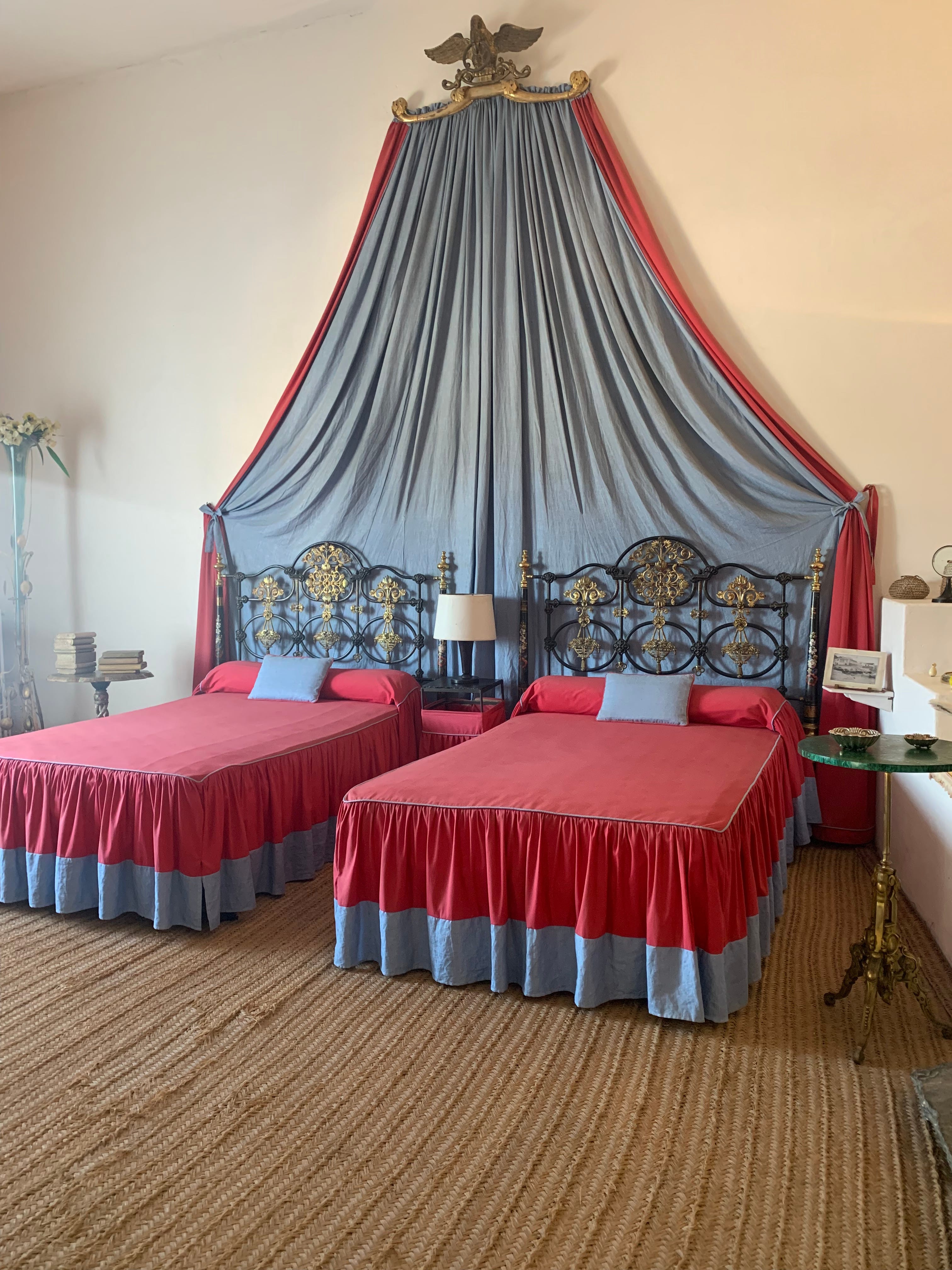
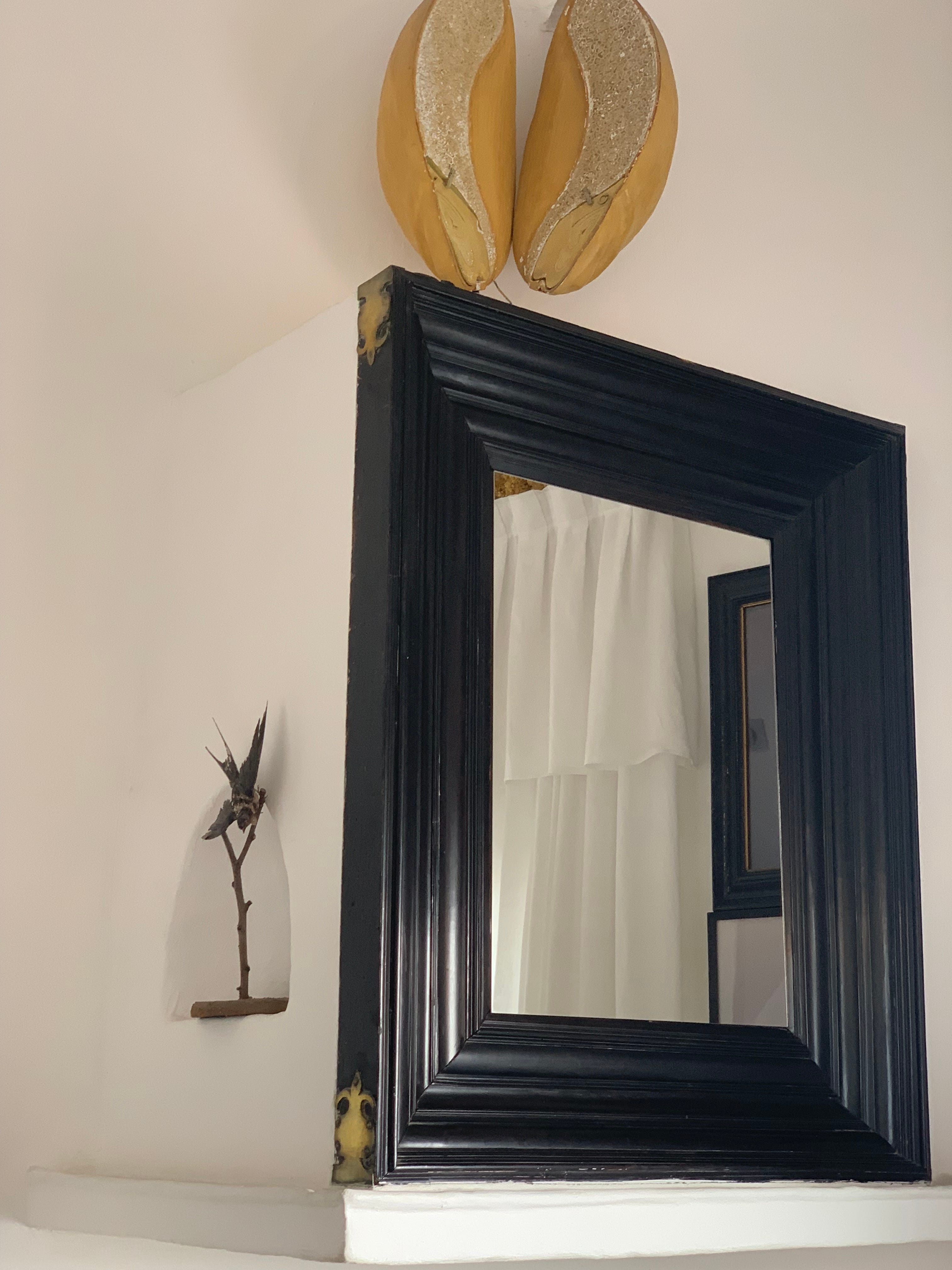
Salvador Dalí’s bed in his Port Lligat home is strategically situated so that he wakes with the sun’s first light. A mirror is positioned to reflect those first rays directly to where he sleeps so that the sun is the first thing he sees, or, in a fine Dalísm (real or made up on my part, I can’t remember), so that he is the first thing the sun sees.
One can immediately imagine the scene - Dali in a cadaverous slumber, his comic villain mustache and hair oiled to lothario perfection even in sleep. Dawn’s first ray a heavenly glow upon his face in repose. A switch flipped, Dali is abruptly alert and awake, eyes bulging, his brilliant and bizarre ideas set percolating. The opening of each day a performance complete with lighting cues.
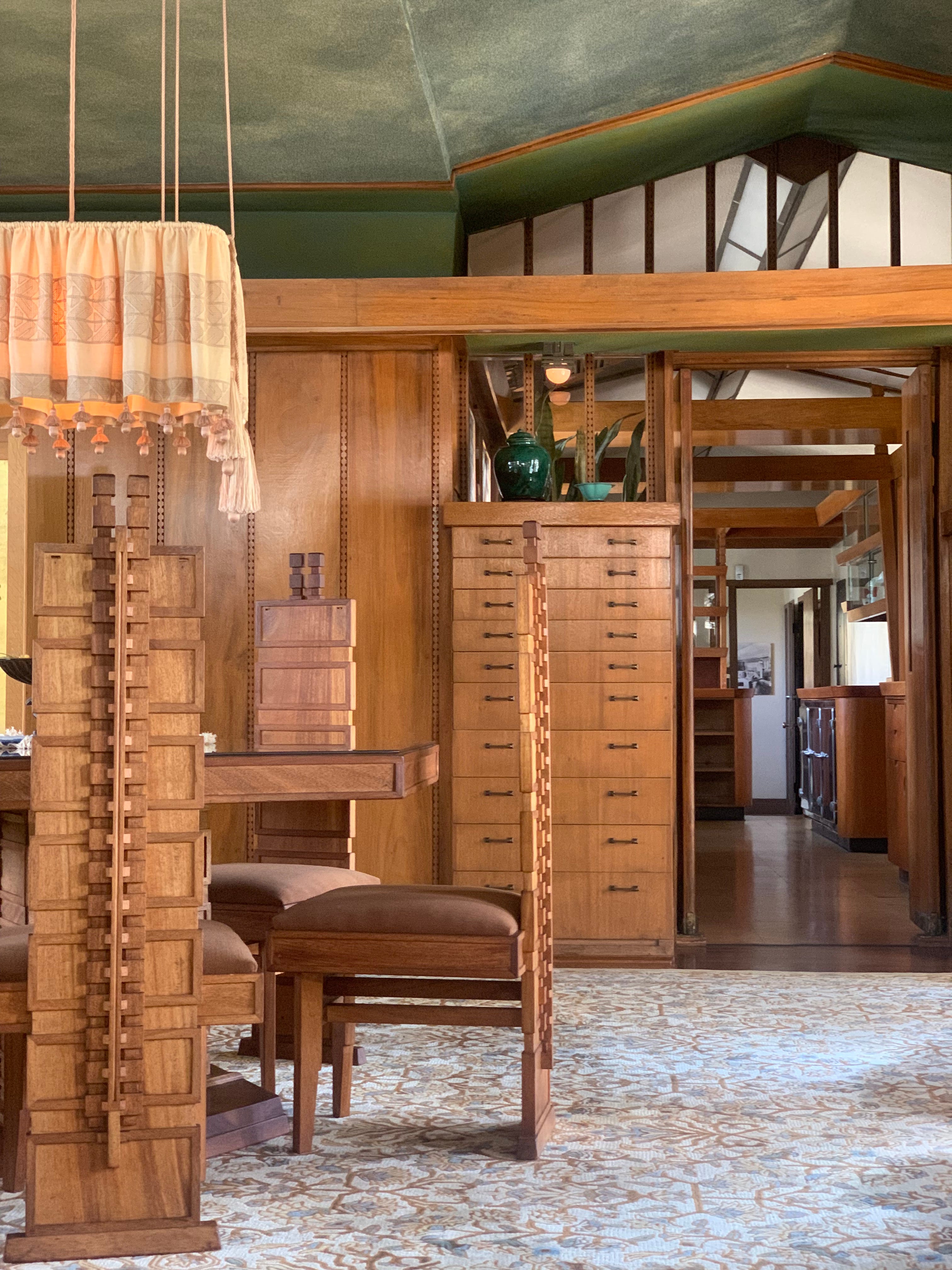
Frank Lloyd Wright felt that, in a home and in life, “with the luxuries I can forego the essentials.” That went for his clients, too, he decided - indoor streams and fountains, teeny tiny kitchens. He designed many of his homes’ furniture and selected their artwork to ensure this vision was maintained. His straight-backed chairs were meant to bring dignity to the room and the sitter. His homes dictate inhabitants’ behavior - they weren’t meant to place their own artwork where they pleased or rearrange the furniture and slightly angled walls prohibited dwellers from doing either. From his constrained hallways to his angled walls to his chairs, Wright directed the performance of his homes’ inhabitants long after he had left the project.
Ruth Asawa in her San Francisco home, surrounded by six little heads and six busy pairs of hands, approached her home, family, and art as a single organism. She sought out high ceilings to house her family of eight with enough room over head for her woven wire sculptures to hang. She adopted new materials suited to children’s hands. She created plaster masks of her friends and guests that then hung on an exterior wall to greet visitors. Her guests became part of the house. Her children helped her to carve the monumental front doors to their home. From the home’s very entrance, Asawa with her crew of kids set a stage that welcomed friends and neighbors into the performance of art making and home making.
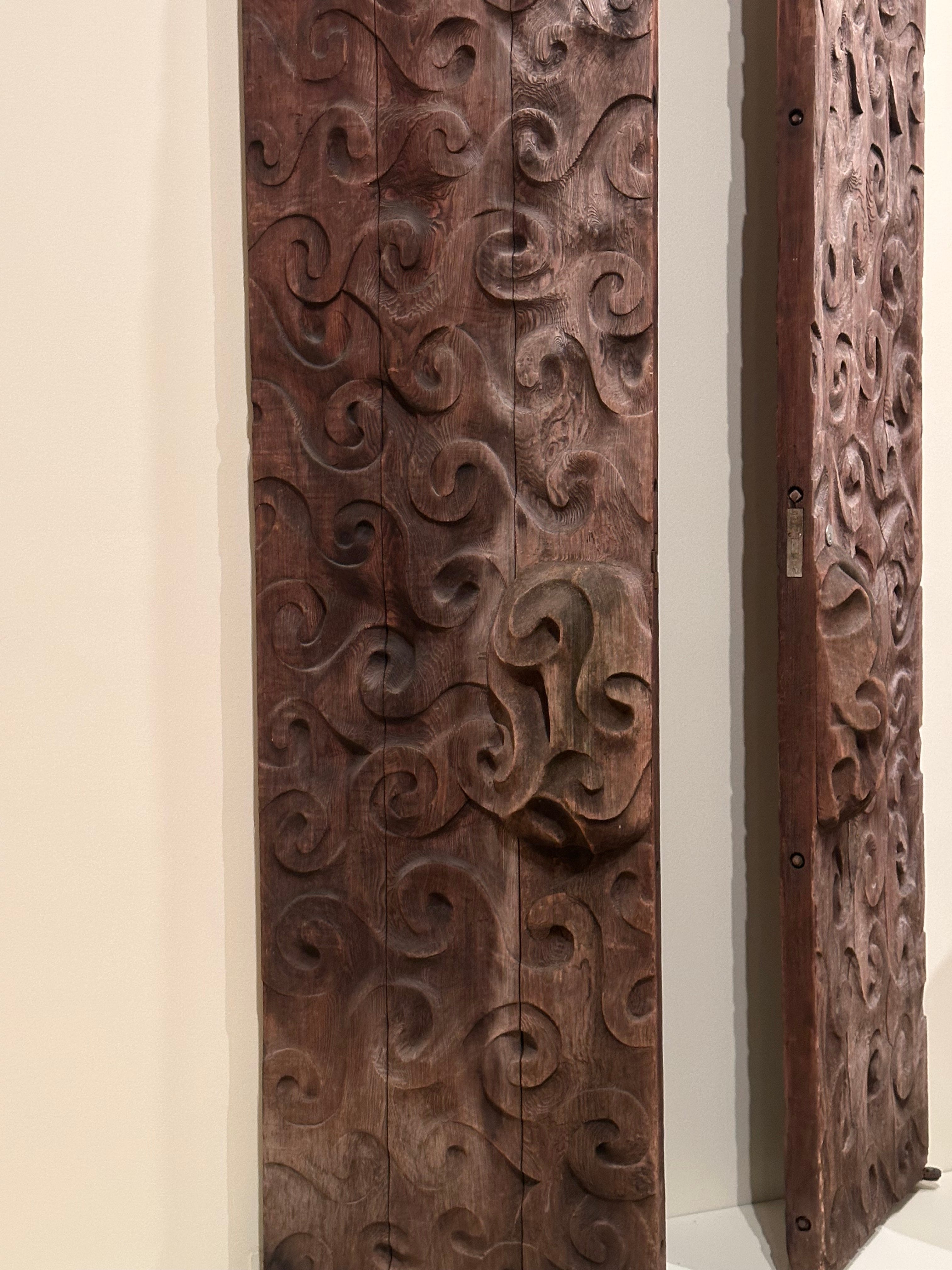
Each of these versions of home making are marked by the theatrical. The homes act as backdrop for creative articulation. Home is a construct, of course, as diligently or neglectfully as we may tend to that construction. But why negligently, and why without the theatre?
Our time finds us more equipped than ever to individualize. The tools and materials to make and learn to make have never been more readily available to experiment on our homes, however modest those homes may be. And yet, though culture writ large is obsessed with the image of self and home, it is so very prescribed, and there seems little to be said about the experiment inherent in home making. You can find many a rule and much instruction for how to put a home together so that, god forbid, your home ever reflects the good or the bad ideas of the people actually living there. The term itself, home making/ homemaking, is derided and evokes images of antiquated full skirts and jello molds. Or that nefarious modern manifestation - trad wifery.
Why are we not praising the experiment of home making as private theatre? It is a rare place where we can exert ourselves and perform and play as much as we like. So why wouldn’t we? If we were to embrace such an experiment, we would discover an empowering vision of ourselves and our capabilities that we can take with us into the world.
Not only that, we would be given a rare opportunity to engage in a conversation with ourselves over time. Our homes wouldn’t reflect only cultural changes but personally vital changes over a lifetime.
I am not even talking about the “every object tells a story” variation of home making that shelter magazines love. I don’t mean display, I mean LIFE. I mean imaginative and experimental. I mean recognizing the dynamic opportunities of a personal space that you share with others. Clothe your fours walls and a roof in your whims and deeply held interests so your home isn’t a series of “hacks” or micro-trends or colors of the month, but a true reflection of the life you want and want to share.
At some level, the consumerist flattening of our self-expression is rooted in satisfying a creative impulse. Those 50s housewives may have been constantly updating their interiors to reflect the latest trends so they felt “right” or on par with the Joneses, but what other opportunity were they given to create or impose their will? When that itch to grow past your confines, to try something new or keep tweaking or just try something, and to then to live with the thing - to see it as flawed or exactly as you wished as a reminder - you are a thing of thought and ideas and change! Where were these housewives to go when stuck between all the familial and worldly expectations and demands but to change out the lampshades and curtains? How oppressive! How familiar!
Totalitarianism is taking hold. It is manifest in how we are treated at work, in the streets of our cities, how we engage with one other, and worst of all, is dominating our hopes for the future. The wolf is at the door.
MFK Fisher’s brilliant How to Cook a Wolf written during WWII describes methods for how to gracefully rise above the moment, however dire and constrained that moment may be, to find moments of pleasure, warmth, and generosity. For her:
“I believe that one of the most dignified ways we are capable of, to assert and reassert our dignity in the face of poverty and war’s fears and pains, is to nourish ourselves with all possible skill, delicacy, and ever increasing enjoyment. And with our gastronomical growth will come, inevitably, knowledge and perception of a hundred other things, but mainly of ourselves. Then Fate, even tangled as it is with cold wars as well as hot, cannot harm us.”
I would argue such nourishment and self-realization is found not only in the essential act of food making, but the essential act of home making.
Of course we are not all of us, Dalís or Wrights or Asawa’s, but we could all still assert our homes as private and shared theaters. It is a vague and imperfect idea, which is precisely the point - isn’t there value in that exploration? You can don an oiled mustache if it helps, but it is imperative that you consider your home a place of the imagination.
Wouldn’t an authoritarian state find a less easy foothold in a citizenry of small world builders bent on caring enough about their personal worlds to actually create them? A people bent on the idea of creation and how to build something so personal it is a tender opening of the heart each time a guest is welcomed? Wouldn’t we all find more satisfaction if instead of outsourcing our delights and comforts to the deadened, flattened commercialism of the rich or trendy, we determined for ourselves what colors and materials and shapes in which to make our nests?
Seek the sun, find the dignity in a chair, gather your people to help you build. Your home is a theatre for the performance of your life.